


Paid Ads
Turn ad spend into measurable growth with targeted campaigns across platforms

Take charge of your online reputation. Using cutting-edge software, our in-house SEO experts, professional writers, legal tools, and advanced algorithm knowledge, we can craft a plan to promote the content you want visible while pushing negative content off the first page.
The average Google Search session is just under 1 minute. This means that within 1 minute the average user has already made
Up to 72% of people will make a decision to avoid you upon finding negative content online; and
88% of consumers trust online content as much as a personal recommendation.
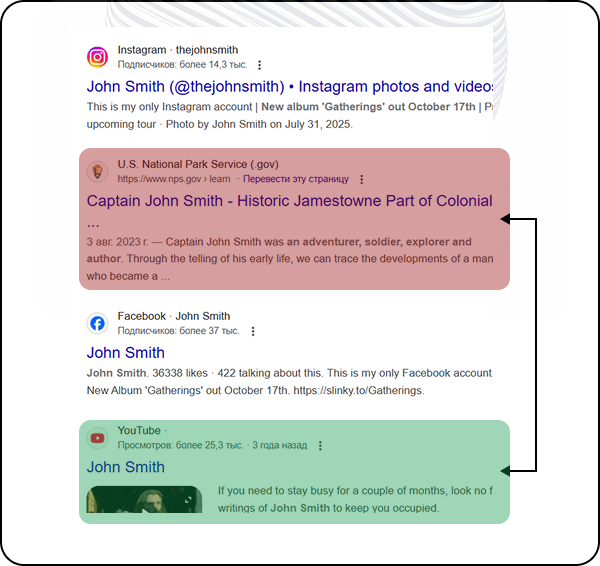
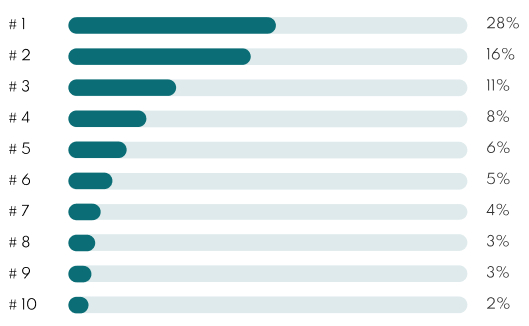
If bad press ranks in the first few positions of Google for your brand or name, it's a major problem because most users never scroll past the first few results—and click-through rate (CTR) becomes a key signal that can either help bury the bad press or make it stick longer.
| Option | Effectiveness | Cost |
| #1.Waiting For Negative Articles To Naturally Fall Off The First Page | Low | Free |
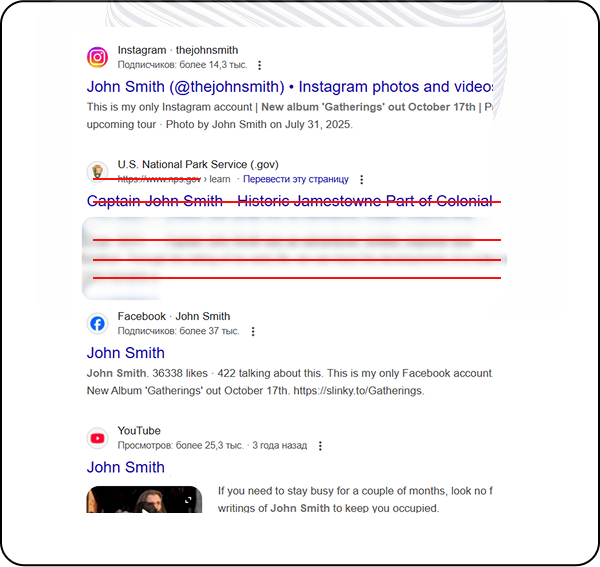
| #2.Submit a DMCA (Digital Millennium Copyright Act) Takedown Notice on Google | Low | Free |
| #3. Hire an SEO Expert ⭐️Ross Kernez ⭐️ to Clean Your Name or Brand | High | $$ |
| #4. Reaching Out To Journalists to Remove Content from Google Search | Low | Free |
| #5. Explore Legal Strategies to Remove Negative Content Online | Medium | $$$ |
| #6. Requesting an Update To a Negative Article Via Email Outreach | Low | Free |
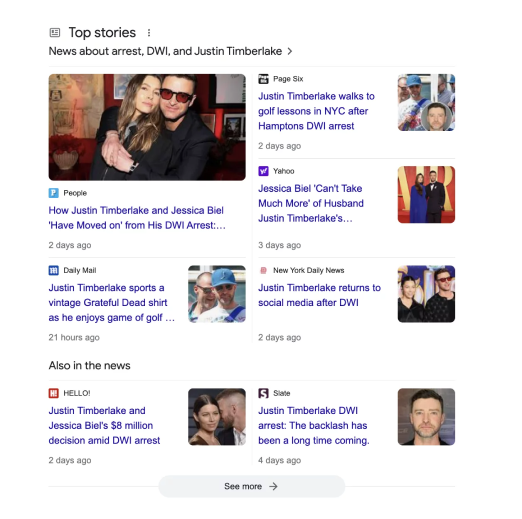
In Dubai’s hyper-connected market, hoping Google’s freshness algorithm will eventually bury hostile headlines is a risk no brand—or prominent individual—can take. As long as a negative article keeps drawing clicks, shares, or backlinks, its date is irrelevant; engagement signals lock it onto page one, jeopardising your credibility, investor confidence, and future partnerships across the GCC.
Our Dubai-based online reputation management team fills the gap algorithms leave. We publish timely, authority-building content in both English and Arabic, optimise every digital asset you control, and react instantly to new mentions—pushing damaging coverage off the first page before it can take root. Continuous monitoring means fresh negativity is neutralised the moment it appears, while positive narratives stay current, visible, and fully aligned with Dubai’s dynamic business landscape.
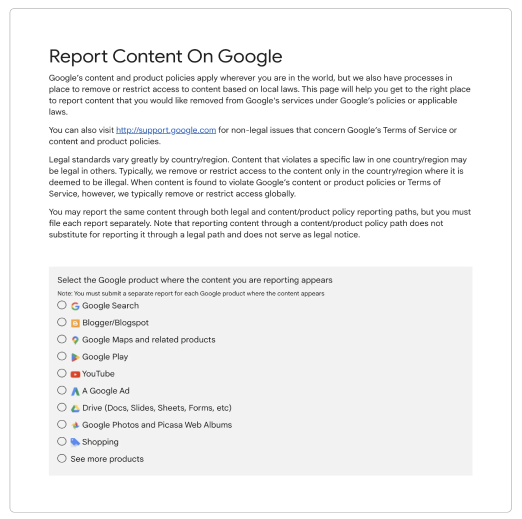
When a regional news outlet or global blog republishes your proprietary content, immediate action is essential to protect your brand in Dubai’s competitive market. Start by capturing the infringing URLs and taking dated screenshots or archived copies that clearly establish your ownership. Next, access Google’s copyright-removal portal (support.google.com/legal/troubleshooter/1114905) and select the relevant product—Search, YouTube, Images, and more. Complete the form with your contact details, a precise description of your original work, the infringing links, and a sworn statement confirming your rights. Google will review the claim and may request additional information; timely responses keep the process on track. Once validated, the offending URLs are delisted, cutting off traffic to the stolen content and reinforcing your online reputation across the GCC.

When you partner with reputation-focused SEO strategist Ross Kernez here in Dubai, you secure a local ally who knows how to tilt Google’s scales toward your success across the UAE and wider GCC. Ross deploys a multi-layered programme—Arabic- and English-language news placements, freshly built microsites, high-impact press releases, and synchronised social-media campaigns—engineered to lift favourable coverage until it overshadows any hostile links. Every action is bespoke: Ross audits the keywords, publications, and social channels that influence decision-makers in Dubai’s cosmopolitan marketplace, then powers a content engine that keeps your best headlines front-and-centre while quietly relegating negative results beyond page one.
Outsourcing this mission is more than a convenience; in Dubai’s always-on media ecosystem, it safeguards your time, reputation, and revenue. Online reputation management here demands 24/7 vigilance, technical precision, and culturally sensitive storytelling. By entrusting the task to Ross, you stay focused on growth rather than chasing algorithms. Behind the scenes he leverages enterprise-grade analytics, competitive-intelligence suites, and real-time monitoring dashboards rarely available outside top agencies—spotting threats early, fine-tuning tactics on the fly, and delivering clear, data-rich progress reports.
Because Ross operates at the intersection of SEO, PR, and data science—and monitors Google’s frequent core updates—his strategies evolve as quickly as the algorithms. Whether you face an unflattering Gulf-news article, a viral rumour on regional social media, or a sudden SERP shake-up, he adapts, neutralises, and re-anchors your digital narrative. The result: when someone searches your name in Dubai, Abu Dhabi, Riyadh, or beyond, they discover the story you’ve worked hard to craft—exactly as you intend.

Reaching out to a journalist—or any GCC outlet—to address unfavourable coverage calls for tact, cultural awareness, and a clear, evidence-backed request. First identify the reporter and publication, then review their stated correction or update policies so your appeal respects their editorial standards and UAE media guidelines. In your personalised email (never a form letter), acknowledge the journalist’s commitment to accurate reporting and explain—supported by concise, verifiable proof—why the article is outdated, misleading, or factually incorrect. Provide documentation or recent developments that present a fuller, more current picture; if the facts remain sound but the piece is stale, politely propose an update highlighting your latest milestones. Offering an exclusive angle, interview, or data set turns your request into a win-win, supplying the reporter with fresh content while diminishing the impact of the original story.
Maintain a professional, empathetic tone throughout; journalists are not obliged to revise or retract, and courteous collaboration is far more effective than confrontation. If direct dialogue stalls, integrate this effort into a broader online-reputation strategy—whether that involves legal counsel under UAE copyright and defamation statutes or engaging a Dubai-focused ORM specialist who can pursue additional avenues for mitigation in both English and Arabic media landscapes.

Taking a publisher to court under the UAE’s strict defamation and cyber-crime statutes may sound like a clean solution, yet lawsuits in Dubai seldom deliver the blank slate clients envision. Proceedings are costly, protracted, and emotionally exhausting—stretching over months or even years of filings, expert reports, and legal fees—with no assurance the offending content will vanish. Worse, the moment you file, the disputed story can roar back into the spotlight as regional and international media cover the case, triggering the very Streisand-effect surge you hoped to avoid. The legal threshold is steep: you must prove the statements are false, damaging, and published in bad faith—an especially high bar when opinion or nuanced language is involved. Even a courtroom win often leaves the article online, now indexed alongside fresh headlines about the lawsuit itself, and it may sour future relations with journalists who see you as litigious.
A smarter route for Dubai-based brands and public figures is proactive online reputation management. By correcting inaccuracies directly with editors, amplifying factual, positive narratives in both English and Arabic, and dominating search results with fresh, authority-building content, you can shift public perception without igniting a legal spectacle. This forward-looking strategy safeguards your image today while preserving the media relationships and goodwill your growth in the UAE and wider GCC depends on tomorrow.

When seeking an update from a Dubai-based journalist—or any GCC publication—lead with tact, transparency, and hard evidence, not confrontation. Begin your message by recognising the reporter’s professionalism and commitment to accurate journalism, then supply clear, verifiable proof that the piece is outdated, unbalanced, or factually incorrect. Strengthen your case with recent milestones, corrected data, or fresh context the original article overlooked—ideally in both English and Arabic for maximum clarity.
Frame your request as a shared pursuit of accuracy, not an attempt at suppression; this collaborative tone cultivates goodwill and makes it easy for the writer to refine the story. The payoff is a more balanced article that safeguards your reputation while enhancing the publication’s credibility—quietly pushing negative search results out of the spotlight and reinforcing your standing in Dubai’s competitive media landscape.
Online reputation management is the strategic practice of monitoring, influencing, and repairing how individuals or companies appear across search engines, social media, news sites, and review platforms. In Dubai—where social-media penetration exceeds 90 percent and word travels fast—perception often shapes purchase decisions before a prospect ever visits your website. A single negative post or review can spread rapidly through WhatsApp groups and local forums, undermining brand trust overnight. Moreover, UAE cybercrime and media regulations impose strict penalties for digital defamation, making proactive management essential. Effective ORM protects revenue, preserves investor confidence, and ensures compliance with UAE laws.
Traditional PR focuses on securing earned media coverage and managing press relationships, whereas ORM centres on the digital footprint that surfaces when someone searches your name online. PR campaigns may run for weeks around a product launch, but reputation management is an always-on discipline that tracks reviews, social chatter, and search-engine rankings 24/7. ORM combines SEO, content creation, review governance, platform policy knowledge, and legal takedown processes. In the UAE, ORM professionals also navigate region-specific cyber laws and cultural sensitivities that PR agencies may overlook. Together, PR and ORM complement one another, but ORM is the frontline defence in today’s search-driven landscape.
Key statutes include Federal Decree-Law 34 of 2021 on Combatting Rumours and Cybercrime, the updated UAE Penal Code, and Federal Law 55 of 2023 regulating media activities. These laws criminalise publishing or sharing false statements that damage reputation, even in closed WhatsApp groups or private Instagram Stories. Fines can reach hundreds of thousands of dirhams and, in severe cases, carry prison sentences. As a result, Dubai-based brands must treat negative or misleading online claims seriously and move quickly to correct them. Our legal partners help ensure every remediation step complies with current statutes and local court precedents.
Yes—but only when the review violates platform policies or UAE law, such as containing hate speech, defamation, personal data, or spam. We first compile evidence showing the policy breach, then file a detailed removal request through Google Business Profile support. If the reviewer is a real customer with legitimate criticism, outright deletion is often impossible, so we focus on resolution and response. Crafting a courteous reply can turn detractors into advocates and signals transparency to future readers. In parallel, we implement a review-acquisition programme to dilute isolated negatives with genuine positive feedback.
Timelines depend on the scope and severity of the issue. A straightforward review-clean-up campaign may yield visible rating lifts in two to four weeks. Full search-engine rehabilitation—where negative articles rank on page 1—usually takes three to six months because Google must crawl, index, and reassess new content. Crisis cases involving legal takedowns or cross-border publishers can stretch to nine months. We set milestone KPIs at 30, 60, and 90 days so you can track momentum instead of waiting for an end-of-project surprise.
Ethical agencies never promise 100 percent deletion because final control rests with the platform or publisher. We do guarantee best-effort legal, technical, and content strategies tailored to each item. Where removal is unattainable, we deploy suppression tactics—publishing authoritative, optimised assets that outrank negatives on Google and Bing. Our average suppression success rate pushes objectionable links off the first page in under four months. Transparency is paramount, so you’ll receive monthly reports detailing actions taken and movement of each result.
Our Dubai flagship plan includes 24/7 Arabic-and-English monitoring dashboards, real-time sentiment alerts via email or Slack, and weekly analyst summaries. You receive review-response drafting, influencer and media-outreach recommendations, and a steady pipeline of positive, SEO-friendly content—articles, press releases, and social posts. We also provide quarterly SERP audits with heat-map click-through analysis. For crisis-prone sectors, we add legal takedown letters, dark-web scans, and deepfake surveillance. All data is hosted on UAE-based servers that comply with local privacy regulations.
Generic sentiment tools often misclassify Gulf Arabic nuances, so we train custom natural-language-processing (NLP) models on region-specific corpora. Native-speaking analysts validate flagged posts to confirm context and sarcasm that algorithms might miss. Our crawler index includes TikTok, Snapchat Discover, and popular UAE forums like ExpatWoman and AdForum. We also watch transliterated Arabic (Arabizi) hashtags that frequently trend in youth conversations. This hybrid human-plus-AI approach catches reputation risks early, giving you time to respond before narratives escalate.
No. The UAE’s consumer-protection framework classifies deceptive endorsements as misleading advertising. Platforms such as Instagram and Google ban inauthentic engagement and routinely purge fake accounts, which can slash your numbers overnight. Brands caught inflating metrics may face fines and irreversible trust damage. Instead, we help clients earn genuine reach through micro-influencers who hold National Media Council licences and disclose partnerships per regulations. Authenticity delivers sustainable reputation lift and protects you from legal exposure.
Google remains the primary research gateway—86 percent of UAE consumers “always” Google a brand before purchase, according to Ipsos. Instagram, TikTok, and Snapchat command high daily usage, particularly among Gen Z and millennials. WhatsApp and Telegram groups shape B2B sentiment, as executives share links internally. Local English-language newspapers—Gulf News and Khaleej Times—rank well in search and can amplify stories worldwide. A robust ORM strategy therefore spans search, social, messaging apps, and traditional media aggregators.
AI helps us process millions of data points faster than human teams alone. Predictive models flag comment bursts or sentiment dips that historically precede viral crises, allowing pre-emptive engagement. Machine-vision tools scan video platforms for unauthorised logo use or deepfake impersonations. AI-generated content outlines speed positive-story creation, while human editors refine tone and cultural nuances. Finally, machine-learning algorithms test headline and metadata variations to maximise click-through of positive articles, accelerating suppression results.
Absolutely. Our VIP ORM service includes footprint minimisation—removing personal contact info from data brokers—plus ongoing image-search audits. We create authoritative biographical content that ranks above gossip sites and proactively seed positive interviews in respected business outlets. Deep-web intelligence tools monitor black-market databases for credential leaks or impersonation attempts. A dedicated account lead coordinates with your PR agency, legal counsel, and security team to ensure message consistency and privacy.
We run daily keyword and reverse-image searches across major video platforms, Reddit, and Telegram channels. When deepfakes are detected, our legal partners issue rapid copyright and defamation takedown notices under UAE and international law. Concurrently, we publish verified statements and watermark official assets so audiences can distinguish legitimate content. For high-risk clients, we implement blockchain-based content authentication to prove provenance. Education is key: we equip your comms team with checklists to identify and discredit manipulated media swiftly.
Monitoring-only packages for small businesses start around AED 7,000 per month. Comprehensive brand-repair programmes—including bilingual content creation, legal support, and influencer outreach—range from AED 30,000 to AED 75,000 monthly, depending on keyword difficulty and number of negative assets. Crisis engagements are quoted separately because they require added manpower and legal hours. We favour transparent pricing: each proposal itemises deliverables, anticipated timelines, and success metrics. Flexible six- and twelve-month contracts help smooth cash-flow planning.
Clients choose between rolling monthly retainers for monitoring and fixed-term projects for remediation. Monthly plans can be upgraded or cancelled with 30 days’ notice. Reputation-rebuild engagements are typically six or twelve months to allow search-engine re-indexing and sustained content publication. We don’t lock you into multiyear agreements—our goal is to earn renewal through performance. Regardless of term, you retain full ownership of all content we create.
Yes, because many ORM tactics overlap with search-engine-optimisation best practices. Publishing high-quality, keyword-targeted articles and securing authoritative backlinks boost your overall domain authority. As negative links drop and positive pages climb, click-through rates and dwell time tend to rise, further signalling relevance to Google. Enhanced review ratings also contribute to local-pack visibility. While SEO isn’t the primary goal, most clients see noticeable organic-traffic gains within the first quarter.
We track the share of positive, neutral, and negative results on the first two pages of Google for branded keywords. Review-platform star averages and response times show customer-service improvements. Sentiment analysis across social channels quantifies tone shifts over time. Media-mention reach and backlink quality gauge content-distribution performance. Finally, crisis-response lag—how quickly we detect and address issues—is monitored in minutes, not hours.
Yes—our community-management team includes native English and Gulf Arabic speakers who understand local etiquette and idioms. Responses are customised to each platform’s culture, whether formal prose on Google Maps or lighter tone on Instagram. We prioritise empathy and solutions, often resolving issues privately to reduce public friction. When policy violations occur, moderators escalate for removal requests. Detailed review logs feed into monthly analytics so you can spot operational improvements.
When a case involves potential legal breaches—like defamatory TikTok content—we coordinate with the Telecommunications and Digital Government Regulatory Authority (TDRA) and qualified Emirati lawyers. For companies operating in media free zones such as Dubai Media City, we ensure all influencer collaborations meet licensing requirements. Our familiarity with regulatory workflows expedites takedown approvals. That said, we never share client data without explicit consent. Compliance is baked into every step of our process.
Cross-border defamation is common, especially on global forums and overseas news portals. We first pursue platform-policy removals, which often succeed without litigation. If necessary, we partner with international legal firms to issue notices based on the host country’s laws or apply geoblocking to restrict UAE access. Simultaneously, we bolster positive local coverage to dominate search results within the region. This dual approach mitigates both legal and reputational risk.
While end-to-end encryption limits direct monitoring, we rely on client-provided screenshots, keyword triggers, and open-source intelligence to map rumour spread. We then craft factual clarifications, distribute them through verified social channels, and encourage brand advocates to share. Where rumours cross into defamation, our legal team prepares cease-and-desist letters for original senders. Education campaigns within your employee or customer base also curb further forwarding. Early detection is crucial; once a rumour goes mainstream, containment becomes harder.
All employees sign strict NDAs and complete annual data-protection training. Servers are hosted in ISO 27001-certified UAE data centres with role-based access controls and end-to-end encryption. We never outsource sensitive tasks—such as legal correspondence—to third-party freelancers. Regular penetration tests ensure our systems remain secure. You own the data and can request deletion at any time.
Yes, we provide three tiers: two-hour, six-hour, and next-business-day response windows. Under the two-hour SLA, an incident manager assembles a task force—including legal counsel—within 120 minutes of alert. We maintain pre-approved messaging templates to cut drafting time. Crisis drills are conducted quarterly to keep the playbook current. Clients receive a debrief report after each event with lessons learned and updated protocols.
Hospitality and tourism rely heavily on online reviews and influencer content, making reputation pivotal to occupancy and ticket sales. Real-estate developers must maintain trust among high-value investors who research projects online. Healthcare providers face regulatory scrutiny and patient-review sensitivity. Fintech and crypto firms operate under evolving frameworks where a single rumour can erode confidence. Finally, high-net-worth individuals and public figures protect personal brands to sustain endorsement deals and social licence.
A 2024 GCC investor survey found that 74 percent of respondents factor digital sentiment into funding decisions. Negative search results often trigger deeper due-diligence requests, slowing deal velocity. Lenders may adjust interest rates to offset perceived risk. Conversely, a strong online presence can shorten negotiation cycles and justify premium valuations. Our ORM strategies thus support not only marketing goals but also capital-raising and M&A outcomes.
Yes, but we vet every creator for audience authenticity, content alignment, and National Media Council licence compliance. Micro-influencers (10k–50k followers) frequently outperform macro-stars in engagement and cost-efficiency. We script key talking points while allowing creators to maintain their voice for credibility. Success is measured by sentiment uplift and conversion tracking, not vanity metrics alone. Transparent disclosures protect both brand and influencer from regulatory sanctions.
Suppression involves pushing negative links down search results by promoting positive or neutral assets that rank higher. We publish expert articles, thought-leadership pieces, press releases, and multimedia content optimised for targeted keywords. High-authority backlinks and structured-data markup bolster relevance signals to search engines. Continuous monitoring ensures new negatives don’t resurface on page 1. Suppression is ethical when content is factual, valuable, and user-centric.
Our platform ingests social-media APIs every ten minutes, running posts through sentiment classifiers trained on Gulf dialects. Scores below a predefined threshold trigger alerts to the account team for review. We also plot sentiment trends over days and weeks to spot creeping negativity before crises erupt. Voice-of-customer dashboards blend quantitative ratings with qualitative themes for a 360-degree view. This data informs content angles and customer-service improvements.
Reputation is dynamic: new reviews appear, algorithms evolve, and competitors may spread misinformation. A remediation project can stabilise your search landscape, but without ongoing monitoring, fresh issues may go unnoticed until they escalate. Most clients retain at least a basic monitoring package post-repair to safeguard gains. Think of ORM like insurance—continuous coverage is cheaper than sporadic fire-fighting. The level of effort can scale up or down based on risk appetite and market conditions.
We subscribe to TDRA circulars, attend legal-tech seminars, and maintain relationships with Emirati media lawyers who brief us on regulatory shifts. Internally, we host monthly knowledge-sharing sessions where analysts present platform-policy updates—such as Google’s latest defamation-removal guidelines. Our proprietary playbook is updated quarterly and version-controlled for auditability. Clients receive a digest of relevant legal or algorithm changes that may impact strategy. This proactive stance ensures compliance and fast adaptation to the digital landscape’s constant evolution.


