


Paid Ads
Turn ad spend into measurable growth with targeted campaigns across platforms


| Option | Effectiveness | Cost |
| #1.Waiting For Negative Articles To Naturally Fall Off The First Page | Low | Free |
| #2.Submit a DMCA (Digital Millennium Copyright Act) Takedown Notice on Google | Low | Free |
| #3. Hire an SEO Expert⭐️Ross Kernez⭐️to Clean Your Name or Brand | High | $$ |
| #4. Reaching Out To Journalists to Take Down Content from Google Search | Low | Free |
| #5. Explore Legal Strategies to Take Down Negative Content Online | Medium | $$$ |
| #6. Requesting an Update To a Negative Article Via Email Outreach | Low | Free |
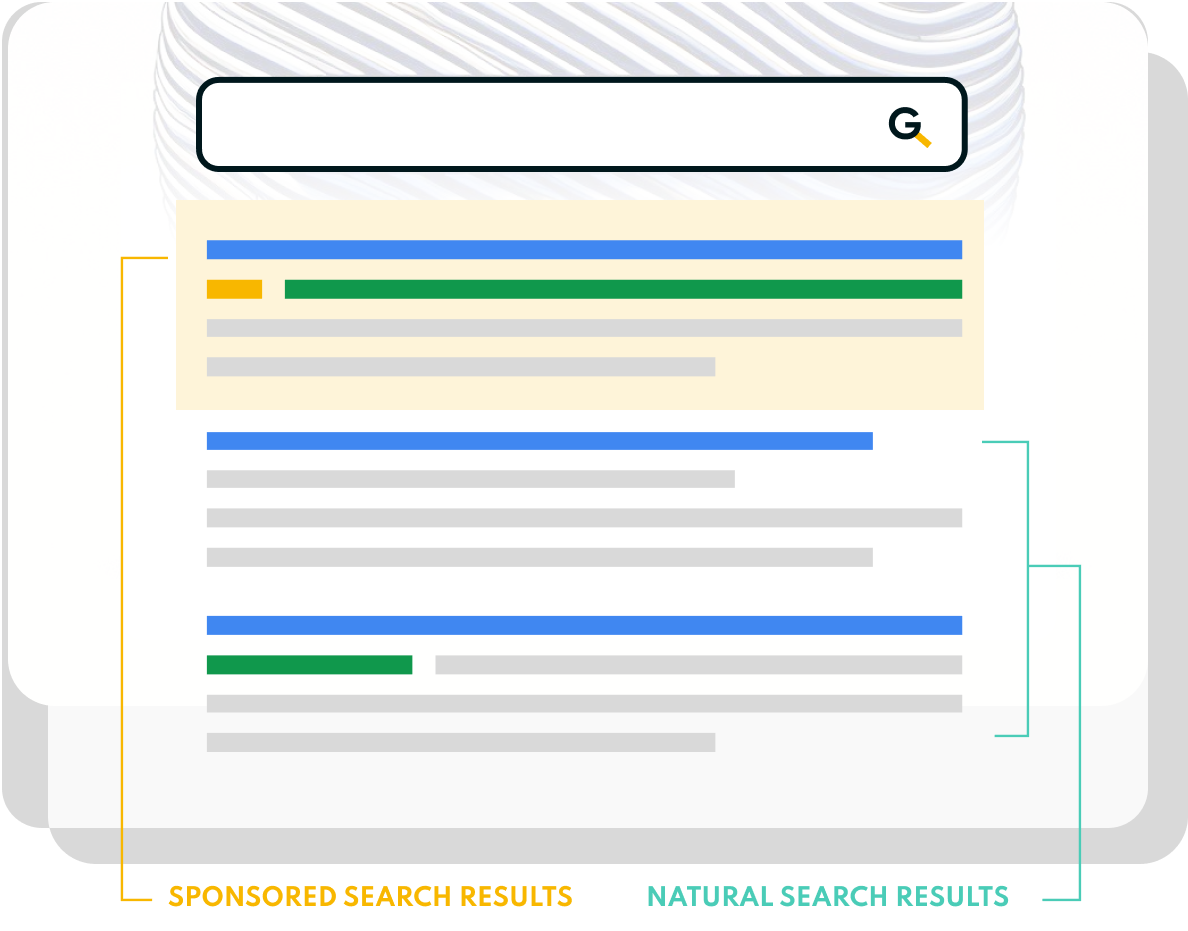
Search results refer to the list created by search engines in response to a query. Search results can be broken down as follows:
(usually on the left-hand side of search engine’s results page) and;
(usually on the top and right-hand side of a search engine’s results page). Here you will see websites that have placed PAID ads within the search engine.


With over 15+ years of experience, I specialize in suppressing negative search results down. My approach is rooted in meticulous processes, ensuring that every aspect of my work is efficient, scalable, and impactful. From complex tasks like SEO to comprehensive strategies, I design systems that minimize friction and cost while maximizing results.
Ross is deeply involved in the marketing and tech community, mentoring startups at organizations like Techstars and Starta. He is known for his expertise in search engine optimization, digital marketing, and leveraging data analytics for marketing success.

Supressing bad articles from Google search results can be important for several reasons. Firstly, these articles can spread misinformation or outdated information, leading to confusion and potentially harmful consequences. When people encounter incorrect or obsolete content, they might make decisions based on false premises, which can have serious implications.
Reputation management is another crucial aspect. Bad articles, especially those containing inaccuracies or unfairly negative portrayals, can damage the reputations of individuals, businesses, or organizations. This can affect personal and professional lives, leading to lost opportunities, strained relationships, and unnecessary stress. Suppressing such content can help mitigate these negative effects.
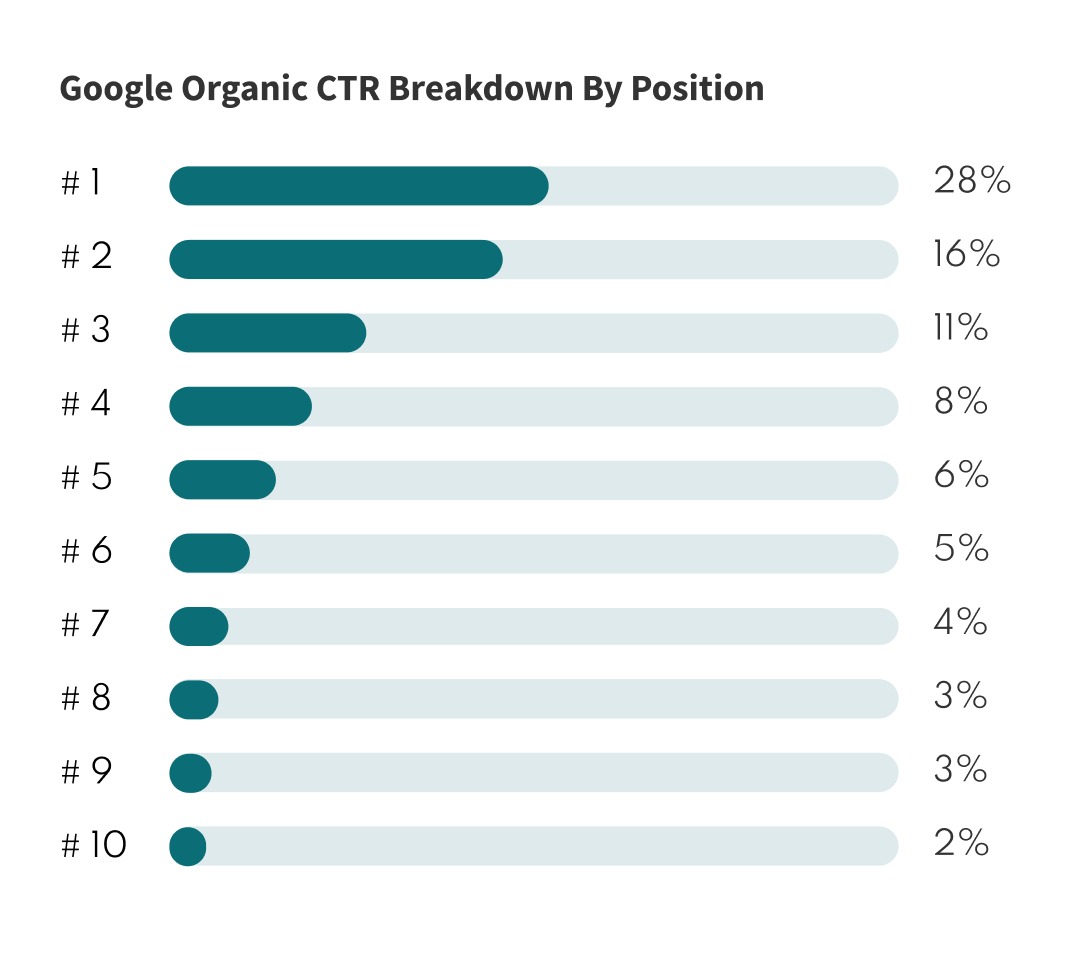
Consider hiring an online reputation expert to push down negative crypto content. The online reputation expert specialize in removing or burying negative information and can use various techniques to help clean up your online presence. The expert will begin with a thorough analysis of your online presence, identifying all negative content, assessing its impact, and understanding the sources of this information. They evaluate the current state of your online reputation and identify key areas that need improvement. One of the primary services of online reputation expert offer is the removal of negative content.

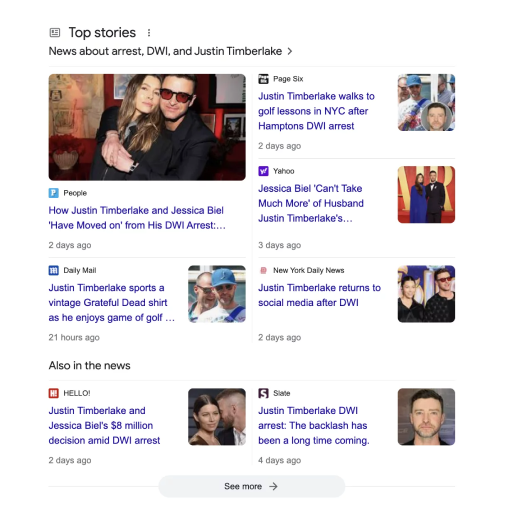
Relying on the freshness algorithm, also known as the Freshness Systems, to let negative articles naturally fall off the first page of search results is often not a viable strategy for managing your online reputation, especially if you want to take down negative results from Google quickly. Search engines like Google prioritize newer content, and if negative content continues to generate clicks, shares, or backlinks, it may maintain its ranking regardless of its age. Therefore, depending solely on the freshness algorithm is risky and can leave your reputation vulnerable for an extended period.
Hiring an experienced SEO expert specializing in online reputation management can expedite this process by actively working to displace negative content with positive, relevant information. An expert can ensure that any new negative content is swiftly addressed and managed. They can implement strategies to prevent negative articles from gaining traction, such as monitoring your online presence, responding to negative feedback appropriately, and continually updating and optimizing positive content.
Ultimately, passively waiting for negative articles to fall off the first page can be a prolonged and uncertain process. By taking control of your online reputation through the expertise of an SEO professional, you can achieve more immediate and sustainable results, protecting and enhancing your image in Google search results.
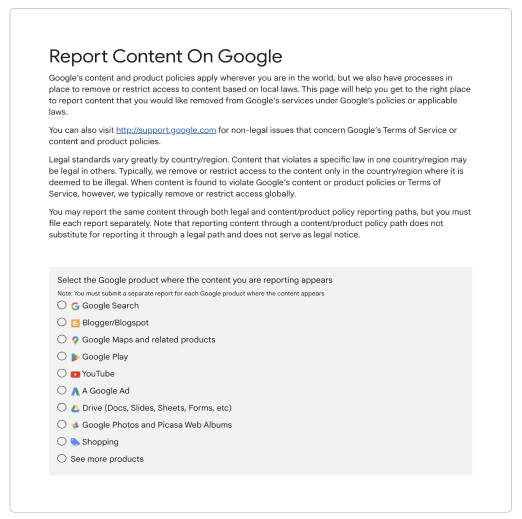
To submit a DMCA (Digital Millennium Copyright Act) takedown notice to Google, you must follow a formal process. Begin by identifying the infringing content and locating the URLs of the specific pages containing the infringing material. Gather evidence that proves the content infringes on your copyright.
Next, submit the notice to Google by visiting Google’s DMCA page at https://support.google.com/legal/troubleshooter/1114905. Select the appropriate product (e.g., Search, YouTube) and follow the prompts to fill out and submit the form.
After submitting, monitor the process, as Google will review the notice and may contact you for additional information. If the notice is found valid, Google will take down the infringing content from their search results.

An experienced SEO expert like Ross Kernez employs advanced techniques to influence search engine results, utilizing positive news content, creating new websites, publishing favorable press, distributing press releases, and leveraging social media presence to suppress negative results on Google. He will develop a comprehensive strategy tailored to your specific needs, ensuring that positive stories about you or your business are prominently displayed in search results. By improving the visibility of favorable content, he can effectively suppress negative search results.
Engaging an SEO expert can save you valuable time and resources. Managing your online reputation requires continuous effort and expertise. By outsourcing this task to a professional, you can focus on your core business activities without the distraction and stress of dealing with negative search results. The expert handles all aspects of reputation management, from content creation to monitoring and reporting, providing you with peace of mind and allowing you to concentrate on what you do best.
Furthermore, an SEO expert often has access to advanced tools and resources that are not readily available to the general public. These tools enable them to perform in-depth keyword research, analyze competitor strategies, track the performance of content, and identify opportunities for improvement and eventually bury bad google search results. By utilizing these resources, they can implement more effective and efficient strategies to manage your online reputation.
Hiring an SEO expert specializing in removing negative results can be highly beneficial for individuals and businesses looking to protect and enhance their online reputation. Their specialized knowledge, tailored strategies, ability to adapt to algorithm changes, and access to advanced tools make them well-equipped to address and mitigate the impact of negative content. By entrusting your online reputation management to an expert, you can achieve more sustainable and positive results, ultimately contributing to your personal and professional success.

Reaching out to journalists to take down negative search results requires a strategic and delicate approach, balancing professionalism, empathy, and clear communication. Journalists have a responsibility to report accurate information, so your outreach must respect their role while making a compelling case for the removal or amendment of the negative content.
Start by identifying the journalist or publication responsible for the negative article. Research their contact information and any guidelines they might have for submitting corrections or requests. Approach them with a respectful tone and a well-structured request. Clearly explain why the negative content is damaging and provide any evidence that supports your case for removal or correction, such as demonstrating that the information is outdated, misleading, or incorrect.
When reaching out, personalize your communication. A generic email is less likely to elicit a positive response. Address the journalist by name, reference their work, and show that you understand their perspective. Be honest about the impact of the negative content on your reputation and explain how its removal or correction would help. If the article contains factual inaccuracies, provide clear and concise evidence to support your claims. If the content is accurate but outdated, politely ask if they would consider updating the article to reflect recent positive developments.
In some cases, offering to provide a new, positive story or update about you or your business can be a mutually beneficial solution. Journalists are often looking for fresh content, and presenting a new angle or story can give them something valuable in return for amending or removing the negative article.
Maintain a polite and professional tone throughout your correspondence. Understand that journalists are under no obligation to take down or alter their work, so your request should be framed as a respectful appeal rather than a demand. Follow up if you don’t receive a response, but avoid being overly persistent or aggressive.
If direct outreach is unsuccessful, consider other avenues, such as consulting with a legal expert or an online reputation management service. These professionals can provide additional strategies and support in dealing with negative search results. Ultimately, while reaching out to journalists can be effective, it should be part of a broader strategy to manage and improve your online reputation.

Exploring legal avenues, such as filing a defamation lawsuit to take down negative search results, can often be counterproductive and risky. While the intent behind such a lawsuit is to protect one’s reputation and seek justice, the process is fraught with potential pitfalls that can exacerbate the situation rather than resolve it.
One primary reason this strategy is ill-advised is the complexity and cost associated with legal proceedings. Defamation lawsuits can be incredibly expensive, time-consuming, and emotionally draining, with no guaranteed outcome. Legal fees alone can be substantial, and the duration of the case can stretch over months or even years, diverting valuable resources and attention from more productive endeavors.
Moreover, defamation lawsuits can attract unwanted public attention and media scrutiny, often referred to as the “Streisand Effect.” This phenomenon occurs when efforts to suppress or remove information backfire, leading to even greater public exposure. Filing a lawsuit can draw additional attention to the negative content you are trying to suppress, potentially amplifying its reach and impact. The publicity surrounding a defamation case can lead to further reputational damage, as the media and public may interpret the legal action as an admission of guilt or an attempt to silence legitimate criticism.
Another critical concern is the burden of proof required in defamation cases. To succeed, you must prove that the statements in question are false, damaging, and made with actual malice or negligence. This standard of proof is often difficult to meet, especially if the negative content is based on opinions or subjective interpretations, which are typically protected under free speech laws. Even if you win the case, the legal judgment may not necessarily lead to the removal of the content from the internet. Instead, the content may remain accessible, with the added context of the legal dispute, which could further complicate your efforts to manage your online reputation.
Furthermore, pursuing legal action can strain relationships and burn bridges with media outlets and journalists. In the interconnected world of digital media, maintaining a cooperative relationship with the press is essential. By opting for litigation, you risk being perceived as adversarial, which can lead to negative portrayals in future media coverage and hinder opportunities for positive publicity.
While the idea of filing a defamation lawsuit to take down negative results may seem like a direct and forceful solution, it is often fraught with significant risks and unintended consequences. The financial costs, potential for increased negative exposure, high burden of proof, and long-term relationship damage with the media make this approach a less desirable option. Instead, focusing on proactive reputation management strategies, such as engaging with the content, providing factual corrections, and promoting positive information, is likely to yield more effective and sustainable results in the long run.

Requesting an update to an article to bury negative results is a sensitive process that requires careful consideration and a respectful approach. Addressing the journalist with respect and providing clear, factual evidence to support your request demonstrates a willingness to collaborate rather than confront. This approach increases the likelihood that the journalist will understand your concerns and consider making the necessary updates to reflect more accurate and balanced information, thereby mitigating the negative impact on your reputation.
Maintaining a respectful tone acknowledges the journalist’s professionalism and the importance of their work, fostering a positive dialogue rather than a defensive reaction. By presenting evidence and a well-reasoned request, you show that you are committed to ensuring accuracy and fairness, not simply trying to hide negative information. This distinction is crucial because journalists are more likely to respond favorably to requests grounded in factual corrections rather than perceived attempts at censorship.
Providing factual evidence is critical in this process. By presenting documentation, data, or other verifiable sources that support your case, you make it easier for the journalist to understand the inaccuracies or outdated information in their article. This evidence can include recent developments, corrected data, or positive achievements that were not previously considered. Clear, factual evidence not only strengthens your request but also demonstrates your commitment to transparency and honesty.
This collaborative approach can lead to a more balanced and updated article, benefiting your reputation and enhancing the publication’s credibility. Journalists are generally committed to providing accurate information, and by working with them respectfully and cooperatively, you help them fulfill this objective. Ultimately, this strategy increases the likelihood that negative content will be amended or updated, reducing its prominence in search results and thereby protecting and improving your online reputation.


