


What ROI can companies expect from deploying an AI Reputation Management Agent?
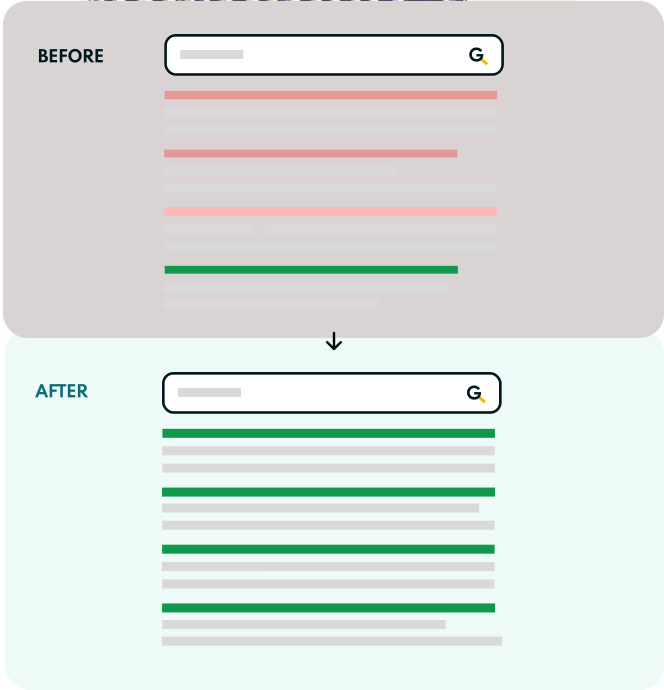
Return on investment manifests through higher lead conversion rates, reduced ad spend previously required to outshine negativity, and preserved market capitalization during crises. Automated workflows cut labor hours spent on manual monitoring and response drafting, translating directly into reduced operational costs. By safeguarding brand equity, the agent enables premium pricing and stronger negotiating leverage with partners. Quantifiable metrics—such as a decline in negative first‑page links—correlate with revenue upticks tracked over subsequent quarters. When a single reputation crisis can cost millions, proactive AI defense often pays for itself many times over.
Can an AI Reputation Management Agent improve search‑engine rankings?
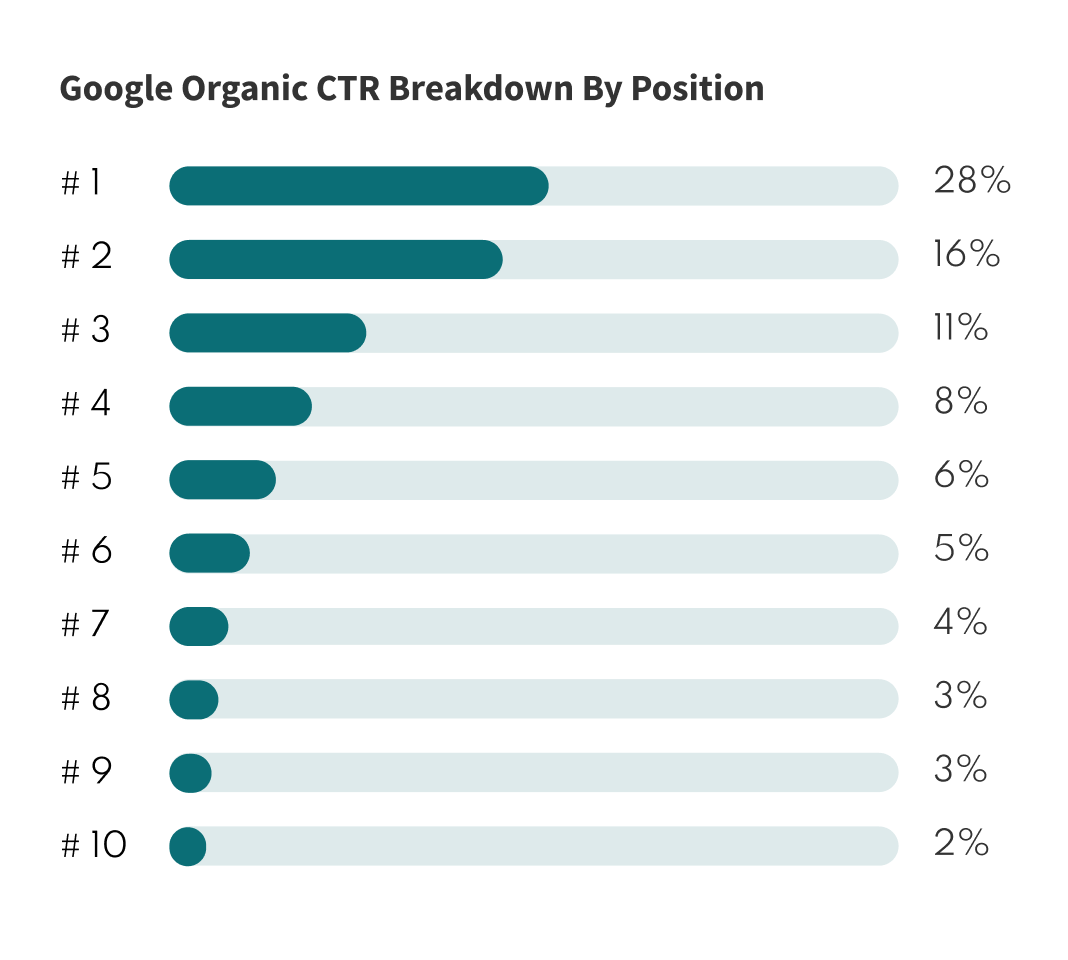
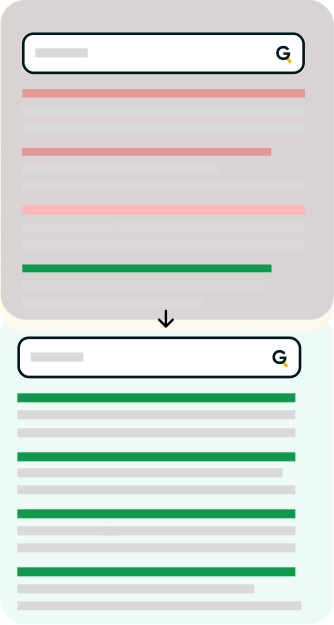
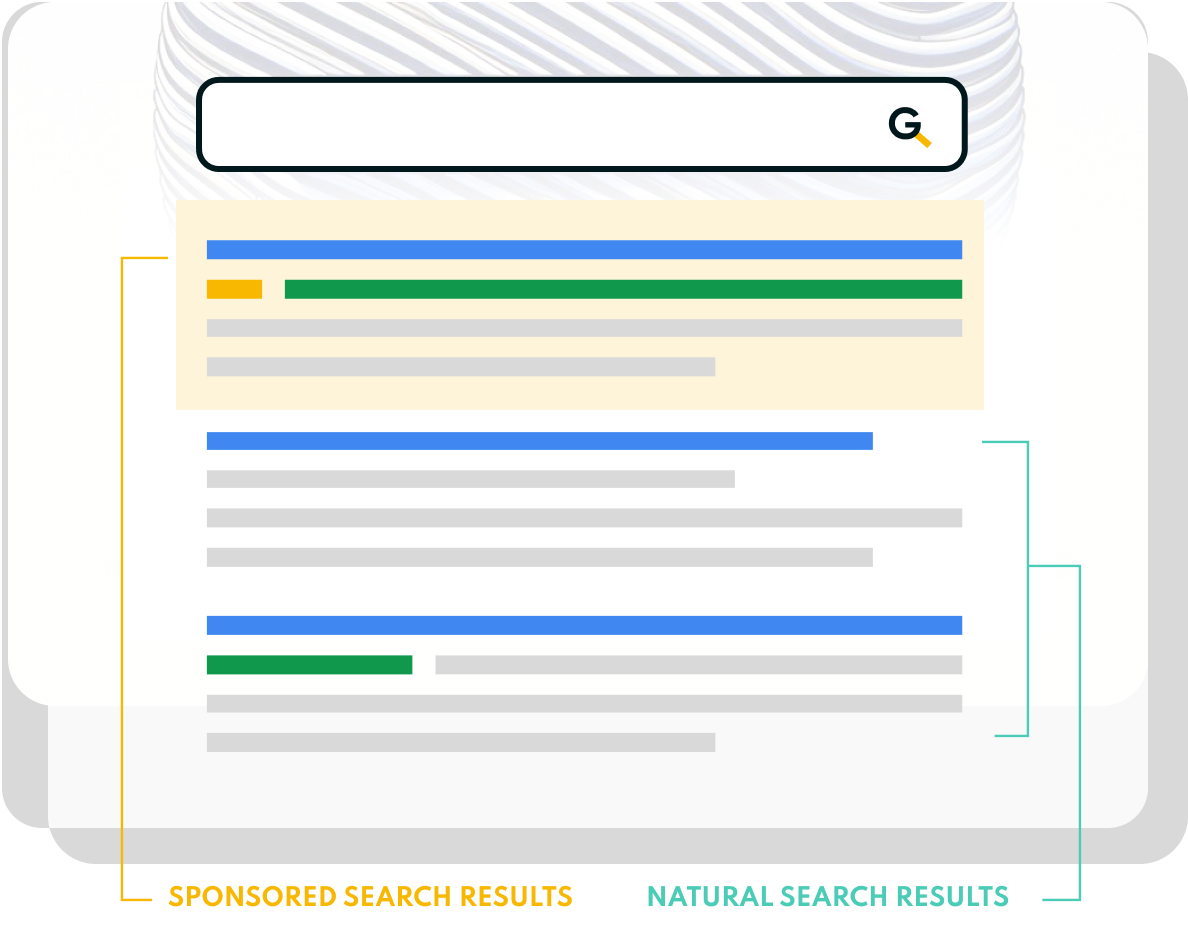
Yes, SEO modules within the agent identify content gaps and suggest keyword‑rich articles, multimedia, and structured data to fill them. Machine‑learning models forecast which domains and backlinks will carry the most authority for a given niche, guiding outreach campaigns. Continuous crawler analysis spots algorithm updates and adjusts on‑page tactics to maintain compliance. By combining technical SEO with sentiment insights, the agent ensures positive narratives outrank detractors. Improved organic placement translates to sustained visibility without escalating paid‑advertising costs.
How does an AI Reputation Management Agent combat fake news and misinformation?
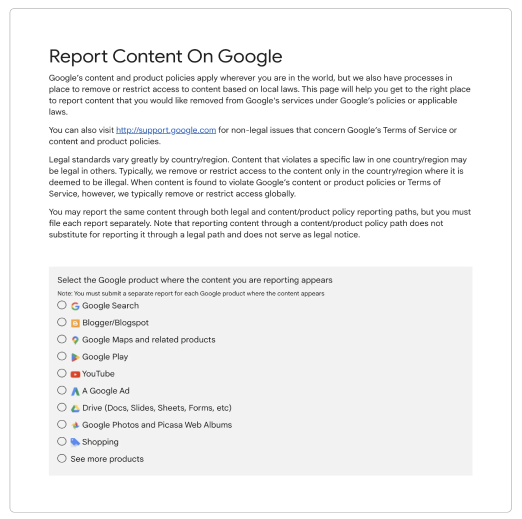
Fact‑checking APIs cross‑reference claims against trusted databases, assigning veracity scores that trigger escalating response tiers. If content is deemed false, takedown workflows activate platform‑specific reporting mechanisms while crafting public corrections. Graph‑analysis models trace how misinformation propagates, allowing targeted disruption of its most influential nodes. The agent then promotes verified sources to re‑balance the information ecosystem. Continuous surveillance ensures removed falsehoods do not resurface under new URLs or aliases.
Can small businesses benefit from an AI Reputation Management Agent?
Absolutely, because reputation stakes can be existential for companies with limited brand awareness. Scalable pricing tiers allow small businesses to access the same detection engines used by large enterprises, albeit with leaner feature sets. Automated review‑response templates handle day‑to‑day reputation tasks that owner‑operators lack time to manage. Real‑time alerts enable local businesses to address customer complaints before they balloon into viral backlash. Over time, improved ratings and search visibility level the playing field against larger competitors.
How secure is the data processed by an AI Reputation Management Agent?
End‑to‑end encryption, secure key management, and multi‑factor authentication protect client data from unauthorized access. Isolated tenant architecture ensures one client’s information cannot be cross‑referenced or accessed by another. Regular vulnerability scanning and bug‑bounty programs surface potential weaknesses before adversaries exploit them. Compliance certifications such as SOC 2 Type II provide independent validation of controls. This rigorous security posture means clients can entrust sensitive information without fear of compromise.
What is the onboarding process for an AI Reputation Management Agent?
Implementation begins with a discovery workshop where goals, brand guidelines, and threat history are mapped. API integrations are configured to ingest social, news, and internal data, while custom keyword lists teach the agent brand‑specific terminology. Baseline sentiment and SERP snapshots establish benchmarks against which progress will be measured. Training sessions equip teams to interpret dashboards and customize alert thresholds. Within four to six weeks, most clients transition from pilot to full deployment, armed with clear success metrics.
How does an AI Reputation Management Agent manage negative reviews?
Natural‑language classification sorts reviews by severity, legitimacy, and potential legal implications. Suggested responses are generated using tone and empathy parameters aligned with brand voice, then queued for human approval. Parallel sentiment‑boost campaigns encourage satisfied customers to share positive experiences, diluting the impact of isolated complaints. For defamatory or policy‑violating reviews, automated takedown requests follow each platform’s dispute guidelines. An ongoing feedback loop analyzes which response styles yield the highest resolution rates, refining future engagement.
Does an AI Reputation Management Agent create positive content or only curate existing material?
It does both, using AI‑assisted copywriting to draft press releases, blog posts, FAQs, and social updates that align with brand messaging. A semantic analysis engine ensures each piece targets keywords most likely to counteract negative narratives. Multimedia modules auto‑generate video scripts and infographic outlines to diversify content formats. Human editors review output for nuance and regulatory compliance, ensuring polished, on‑brand delivery. By balancing creation and curation, the agent maintains a steady pipeline of reputation‑enhancing assets.
How frequently are an AI Reputation Management Agent’s algorithms updated?
Continuous deployment pipelines allow minor model tweaks weekly, addressing shifts in language patterns and platform APIs. Major upgrades occur quarterly, incorporating larger training sets and new feature engineering that improve prediction accuracy. Clients receive release notes explaining enhancements and any new settings they can configure. A/B testing validates improvements before broad rollout to avoid unintended shifts in alert sensitivity. This iterative approach keeps the agent ahead of evolving digital landscapes.
Can an AI Reputation Management Agent integrate with social‑media dashboards like Hootsuite or Sprout Social?
API connectors push real‑time sentiment scores and priority alerts directly into existing social‑media management tools. Scheduled posts can draw from reputation‑approved content libraries, ensuring consistency across channels. Engagement analytics from the dashboard feed back into the agent, closing the loop on performance insights. Single sign‑on streamlines user authentication, reducing security friction. Such integration centralizes digital communication while preserving the specialized depth of the reputation platform.
How does an AI Reputation Management Agent support dedicated crisis‑communication teams?
During critical incidents, the agent’s war‑room interface aggregates live mentions, trending hashtags, and media inquiries in a single pane. Custom filters allow teams to isolate specific geographies or stakeholder groups, tailoring responses with precision. Pre‑approved message templates speed publishing without sacrificing brand control. Collaboration features track task ownership, ensuring no angle of the crisis is overlooked. Post‑mortem analytics dissect what worked, informing refinements to future crisis playbooks.
What role does sentiment analysis play within an AI Reputation Management Agent?
Sentiment engines parse linguistic cues, emoji, and even punctuation to categorize mentions as positive, neutral, or negative. Weighted scoring models account for author influence, meaning a critical tweet from a major journalist triggers higher alerts than an anonymous forum post. Trend‑line graphs reveal whether corrective actions are shifting sentiment back to positive territory. Granular tagging highlights recurring pain points, feeding back into product or policy improvements. Sentiment thus becomes both a monitoring metric and a strategic compass.
How do AI Reputation Management Agents comply with search‑engine guidelines while suppressing negativity?
Legitimate SEO techniques—such as authoritative backlinks, schema markup, and well‑structured content—are prioritized to avoid penalties for manipulative practices. The agent flags overly aggressive link‑building tactics and warns users before they violate guidelines. Crawl‑budget analysis ensures new positive assets are indexed quickly without triggering spam signals. Collaboration with legal teams guarantees any removal requests target policy violations rather than fair commentary, maintaining ethical standards. Compliance is built into every suppression workflow, safeguarding long‑term credibility.
Can an AI Reputation Management Agent remove defamatory content from the internet?
If content meets the legal definition of defamation, the agent coordinates with attorneys to issue cease‑and‑desist letters and DMCA notices. Parallel platform‑policy requests leverage terms of service that prohibit libel, increasing the odds of swift removal. SEO suppression techniques bury residual copies that might linger in search caches. Throughout the process, clients receive status updates and evidence logs suitable for courtroom use if litigation proceeds. While not every item can be erased, success rates improve when AI triage accelerates proper legal channels.
How does an AI Reputation Management Agent maintain transparency with clients?
Interactive dashboards display raw data sources, classification confidence scores, and action logs so clients can audit every step. Monthly executive summaries distill technical metrics into plain‑language insights linked to business KPIs. Alert preferences are fully customizable, preventing information overload while ensuring critical events never slip through. Regular strategy calls review progress, adjust goals, and incorporate emerging priorities. This openness builds trust and allows clients to co‑steer their reputation journey.
What advancements are on the horizon for AI Reputation Management Agents?
Emerging models will combine multimodal analysis—text, video, and audio—to catch reputational threats hidden in podcasts or livestreams. Federated learning may allow agents to improve collectively without sharing sensitive data across clients. Real‑time generative AI will soon craft crisis statements customized to each distribution channel’s character limits and tone norms. Integration with blockchain authentication could verify content origins, strengthening defenses against deepfakes. These innovations promise even stronger, faster, and more secure reputation protection.
How can organizations select the right AI Reputation Management Agent vendor?
Decision‑makers should evaluate track records, case studies, and the robustness of underlying models, ensuring they leverage state‑of‑the‑art NLP and ethical datasets. Security certifications, compliance posture, and transparent pricing signal maturity and reliability. A vendor willing to provide customizable dashboards and human strategic support often delivers superior outcomes. Trial periods or pilot projects reveal how well the tool integrates with existing workflows and cultural nuances. Ultimately, alignment between vendor capabilities and organizational risk appetite ensures a long‑lasting, fruitful partnership.