


Paid Ads
Turn ad spend into measurable growth with targeted campaigns across platforms

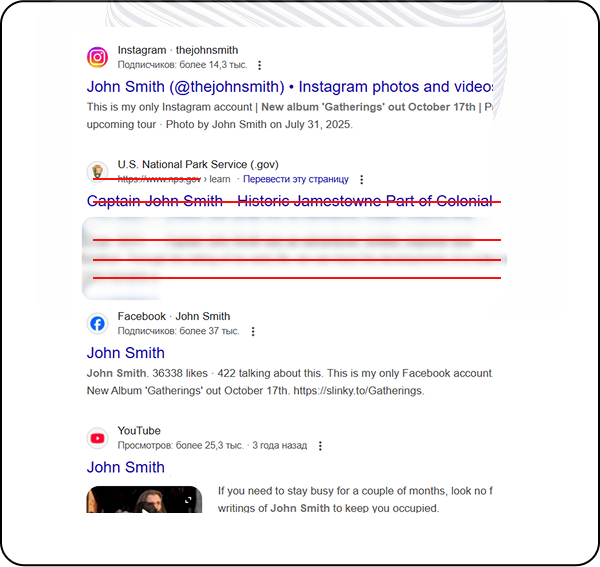
Take charge of your online reputation. Using cutting-edge software, our in-house SEO experts, professional writers, legal tools, and advanced algorithm knowledge, we can craft a plan to promote the content you want visible while pushing negative content off the first page.
The average Google Search session is just under 1 minute. This means that within 1 minute the average user has already made
Up to 72% of people will make a decision to avoid you upon finding negative content online; and
88% of consumers trust online content as much as a personal recommendation.
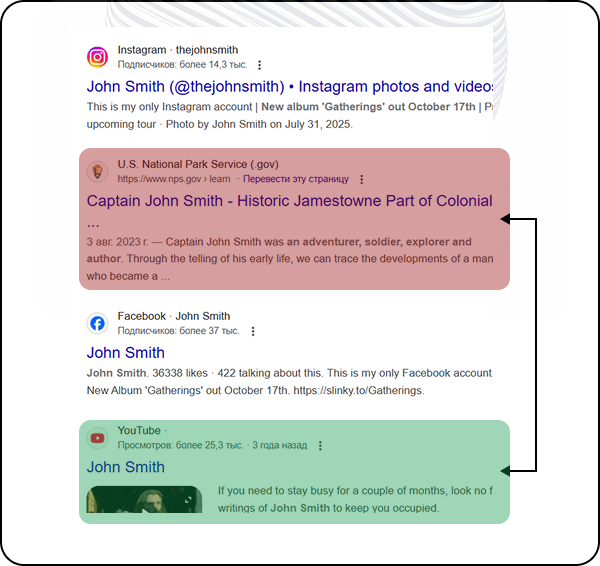
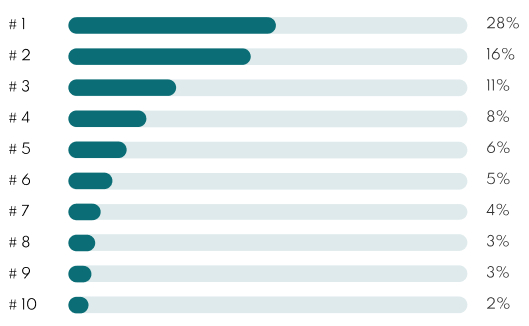
If bad press ranks in the first few positions of Google for your brand or name, it's a major problem because most users never scroll past the first few results—and click-through rate (CTR) becomes a key signal that can either help bury the bad press or make it stick longer.
| Option | Effectiveness | Cost |
| #1.Waiting For Negative Articles To Naturally Fall Off The First Page | Low | Free |
| #2.Submit a DMCA (Digital Millennium Copyright Act) Takedown Notice on Google | Low | Free |
| #3. Hire an SEO Expert ⭐️Ross Kernez ⭐️ to Clean Your Name or Brand | High | $$ |
| #4. Reaching Out To Journalists to Remove Content from Google Search | Low | Free |
| #5. Explore Legal Strategies to Remove Negative Content Online | Medium | $$$ |
| #6. Requesting an Update To a Negative Article Via Email Outreach | Low | Free |
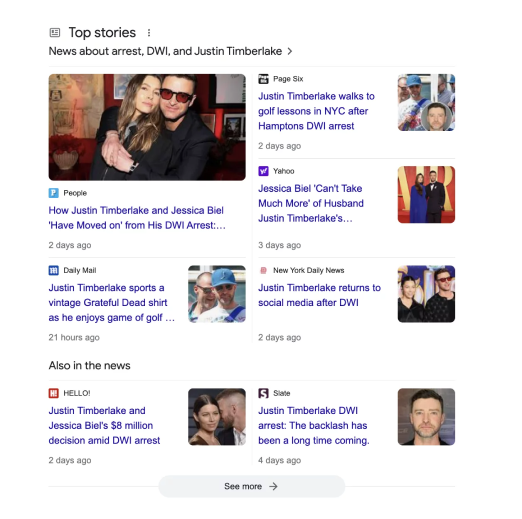
Waiting for Google’s freshness systems to let damaging headlines drift off Page 1 is a gamble no high-profile figure can afford. As long as a negative story keeps earning clicks, shares, or backlinks, its age doesn’t matter—recency signals will keep it pinned near the top of the results. Meanwhile your credibility, partnerships, and future deals remain exposed.
A dedicated reputation-management SEO steps in where algorithms fall short. By publishing timely, authority-building content, optimizing every asset you control, and responding quickly to new mentions, an expert pushes hostile coverage out of view before it cements itself. Continuous monitoring ensures fresh negativity is neutralized on arrival, while positive narratives are kept current and visible.
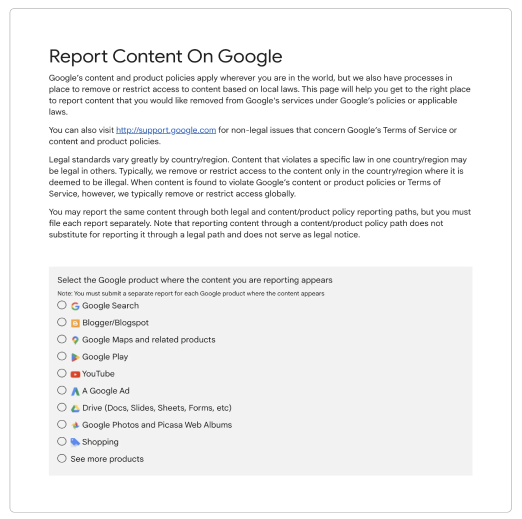
If a news site or blog has copied your protected work, the fastest route to removal is a formal DMCA takedown notice. First capture the offending URLs and keep screenshots or archived copies that prove the material is yours. Then open Google’s copyright-removal portal (support.google.com/legal/troubleshooter/1114905) and choose the relevant product—Search, YouTube, Images, and so on. Complete the form with your contact information, a clear description of the original work, the infringing links, and a sworn statement that you own the rights. Once submitted, Google reviews the claim and may ask for clarification; respond promptly to keep the process moving. When the notice is validated, the infringing URLs disappear from search results, cutting off traffic to the stolen content and protecting your brand.

When you partner with an experienced reputation-focused SEO like Ross Kernez, you gain a strategist who can tip Google’s scales in your favor. Ross orchestrates a multi-layered plan that blends positive news coverage, fresh websites, high-impact press releases, and a coordinated social-media presence—all designed to elevate favorable stories until they eclipse any negative links. Every move is bespoke: he audits the keywords and outlets that matter to you, then builds a content engine that keeps your best headlines front and center while quietly pushing harmful results out of sight. Outsourcing this work is more than a convenience—it’s a safeguard for your time and resources. Online reputation management demands constant vigilance, technical skill, and creative storytelling; by handing that responsibility to Ross, you stay focused on running your business instead of chasing algorithms. Behind the scenes he deploys enterprise-grade analytics, competitive intelligence, and monitoring platforms that most people never see, allowing him to spot threats early, refine tactics in real time, and deliver clear reports on progress.
Because Ross lives at the intersection of SEO, PR, and data science, his strategies evolve as quickly as Google does. Whether the challenge is an unflattering article, a viral rumor, or a sudden algorithm update, he adapts, neutralizes, and restores your digital narrative—ensuring that when someone searches your name, they find the story you’ve worked hard to write.

Approaching a journalist to address unfavorable coverage demands tact, respect, and a well-reasoned appeal. First, pinpoint the reporter and publication behind the piece, then review any stated correction policies so your request aligns with their standards. In your outreach—always personalized, never generic—acknowledge the journalist’s duty to report accurately and explain, with concise evidence, why the article is outdated, misleading, or factually incorrect. When possible, share verifiable documentation or fresh developments that paint a fuller, more current picture. If the story’s facts are sound but its timeliness has lapsed, courteously suggest an update that reflects your recent achievements. Offering an exclusive angle or new feature can transform your request into a mutually beneficial opportunity, giving the reporter valuable material while diffusing the impact of the original piece. Throughout every exchange, keep your tone professional and empathetic; journalists are under no obligation to revise or retract, so a respectful appeal is far likelier to succeed than a demand. Should direct contact fail, fold this effort into a wider reputation-management strategy—leveraging legal counsel or a specialized ORM service to pursue additional avenues for mitigation.

Taking a negative article to court may feel like a decisive fix, but defamation lawsuits rarely deliver the clean-slate you hope for. They are expensive, slow, and emotionally draining, demanding months—or years—of depositions, filings, and legal fees with no guarantee the offending content will ever disappear. Worse, the moment you file, the story can flare back into public view under the harsh glare of media coverage—the very Streisand-effect surge you were trying to avoid. Meeting the high burden of proof is another hurdle: you must show the statements are false, harmful, and published with actual malice, a standard that’s notoriously hard to satisfy—especially when opinions or subjective language are involved. Even a courtroom victory may leave the content online, now accompanied by headlines about the lawsuit itself. And once you’ve sued, every future interaction with journalists risks being colored by that adversarial history.
A far more effective path is proactive reputation management. By engaging directly with the content, supplying factual corrections, and flooding search results with accurate, positive stories, you shift the narrative without sparking a legal spectacle. That strategic, forward-looking approach protects your image today while preserving the relationships and goodwill you’ll need for tomorrow.

Approaching a journalist for an update requires tact, transparency, and proof—not confrontation. Open the conversation by acknowledging their professionalism and the value of accurate reporting, then present clear, verifiable evidence showing where the piece is outdated, unbalanced, or factually incorrect. Supplement your case with recent achievements, corrected data, or new context the original article missed. By framing your request as a shared commitment to accuracy rather than an attempt at suppression, you foster goodwill and make it easy for the writer to amend the story. The result is a more balanced article that protects your reputation while enhancing the publication’s credibility—an outcome that benefits both parties and quietly moves negative search results out of the spotlight.


